How to Choose the Right Dune Buggy for Dubai's Desert
Know What You Are Signing Up For
Dubai's desert is not a tame place. The dunes shift with the wind, the heat can be brutal, and a dune buggy that feels fine on a flat road can behave very differently when the sand gets deep. Before you look at any machine, think about the kind of experience you want. Are you after a gentle cruise across the sabkha flats, or do you want to climb steep slipfaces and carve through soft bowls? Your answer decides everything else.
The term "dubai dune buggy" covers a wide range of vehicles. Some are built for comfort, with padded seats and a smooth suspension that soaks up small bumps. Others are stripped-down performance machines designed for aggressive driving. Neither is better; they just suit different riders. Being honest about your skill level and your appetite for rough terrain will save you time and disappointment.
Engine Size and Power Delivery
Engine capacity is the most obvious difference between buggies. A 200cc or 250cc engine is fine for a relaxed ride on packed sand. It will pull you up moderate dunes without trouble, but you will feel it struggle on the really steep stuff. If you plan to spend most of your time on the edges of the desert or on designated tracks, this is plenty.
For serious dune bashing, you want something in the 600cc to 1000cc range. These engines give you the torque to climb tall dunes and the speed to keep momentum through soft sand. The trade-off is weight and fuel consumption. A bigger engine also means more heat, so check that the cooling system is adequate for the conditions.
Pay attention to how the power is delivered. A buggy with a CVT transmission will feel smooth and forgiving, while a manual gearbox gives you more control but requires a feel for the terrain. If you are new to off-road driving, a CVT is easier to manage. Experienced drivers often prefer a manual because they can hold a gear and keep the revs where they want them.
Suspension and Ground Clearance
Dune driving is all about keeping the wheels on the sand. A buggy with poor suspension will bounce you off line and make the ride uncomfortable. Look for independent suspension on all four wheels. Double wishbone setups are common and work well. Coil-over shocks with adjustable damping let you tune the ride for different sand conditions, though you may not need that adjustment on a rental.
Ground clearance matters too. You need enough to clear the crest of a dune without scraping the underside. Too much clearance raises the centre of gravity and makes the buggy feel tippy. A good rule is to look for a vehicle that sits high enough that you can see the bottom of the chassis from the side, but not so high that the wheels look tiny underneath it.
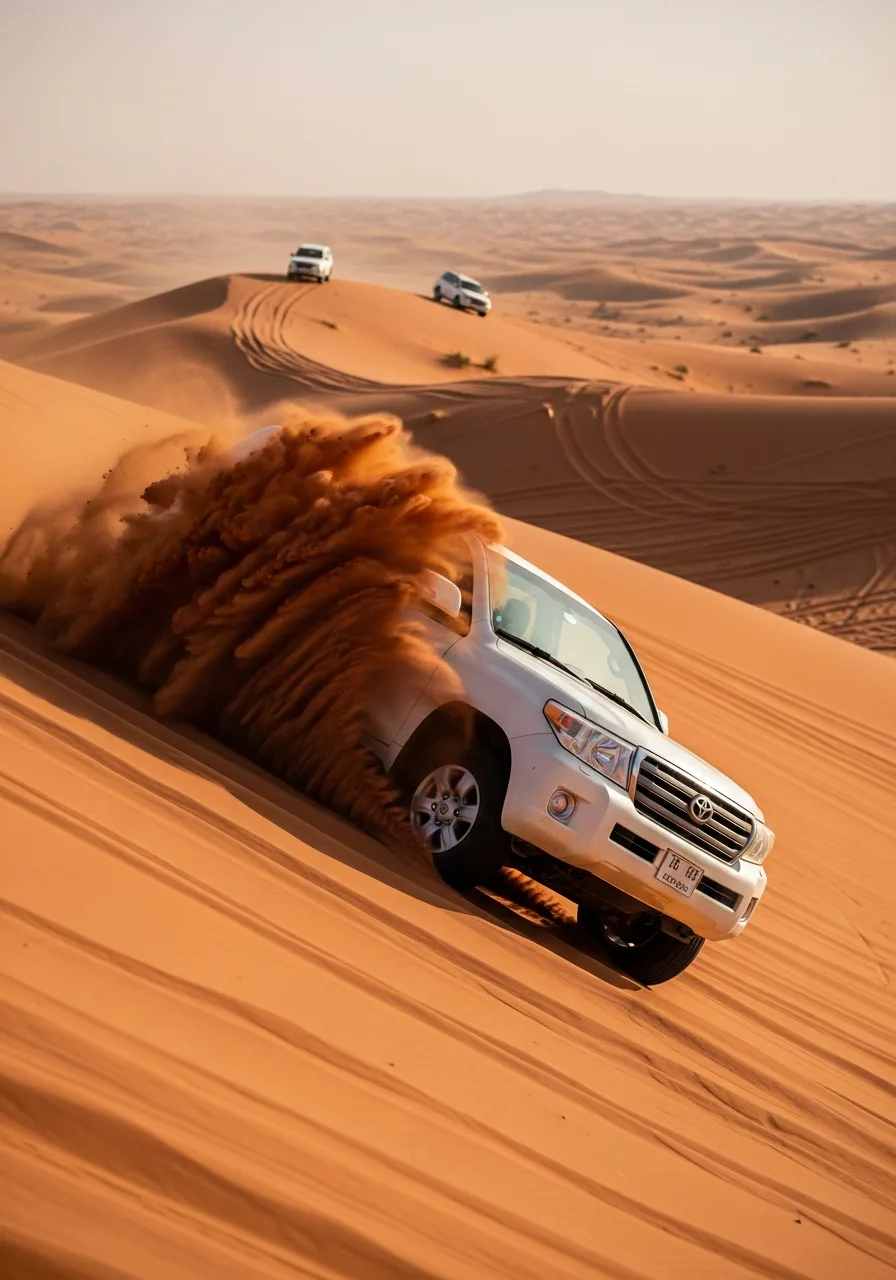
Check the wheel travel. More travel means the suspension can absorb big dips without bottoming out. A buggy with limited travel will feel harsh on undulating terrain and may throw you around. If you are renting, ask about the suspension setup. A well-maintained buggy with fresh shocks will ride much better than one that has been thrashed.
Tyre Choice and Pressure
Tyres are the only contact point with the sand. The wrong tyre or the wrong pressure can ruin the experience. Most dune buggies use paddle tyres or sand tyres with a wide tread pattern. Paddles dig in and provide traction on loose sand, but they can be noisy on hard surfaces. Sand tyres with a more conventional tread work better for mixed terrain.
Tyre pressure is critical. On hard sand you can run higher pressures, but once you hit soft dunes you need to drop them. A typical starting point is around 10 to 12 psi, but you may need to go lower. Too high and the buggy will float and slide. Too low and you risk damaging the rim on a sharp rock or a buried object.
If you are renting, the operator should have the tyres set correctly for the day's conditions. Ask what pressure they are running and why. A good operator will adjust based on the forecast and the route. If they give you a one-size-fits-all answer, be cautious.
Safety Equipment and Structural Integrity
A dune buggy should have a roll cage that surrounds the occupants. Look for a cage made from thick-walled tubing with proper welds. The seats should have harnesses, not just lap belts. A four-point or five-point harness keeps you in place when the buggy pitches forward on a steep descent.
Check that the harnesses are not frayed or faded. Sun and sand wear them out quickly. The same goes for the seat mounts. A loose seat is dangerous and uncomfortable.
Fire extinguishers and first aid kits are standard on well-prepared buggies. Some operators also fit a GPS tracker or a radio. These are not essential for a short ride, but they add a layer of safety if something goes wrong. Ask about the recovery plan. If the buggy breaks down in the dunes, how do they get you out? A good operator has a support vehicle and a procedure.
Brakes and Steering
Disc brakes on all four wheels are the norm. Drum brakes are outdated and can fade quickly under hard use. Test the brakes before you head into the dunes. They should feel firm and progressive, not spongy or grabby.
Steering should be precise and not have too much play. Dune driving requires constant small corrections, so a sloppy steering rack makes the job harder. Power steering is a bonus, especially on heavier buggies, but not essential. If the steering feels heavy at low speed, that is normal on some models. What matters is that it responds predictably.
If you are renting, take a few minutes to drive the buggy on a flat area before you hit the dunes. Get a feel for the steering and brakes. If something feels off, say so. A responsible operator will address it.
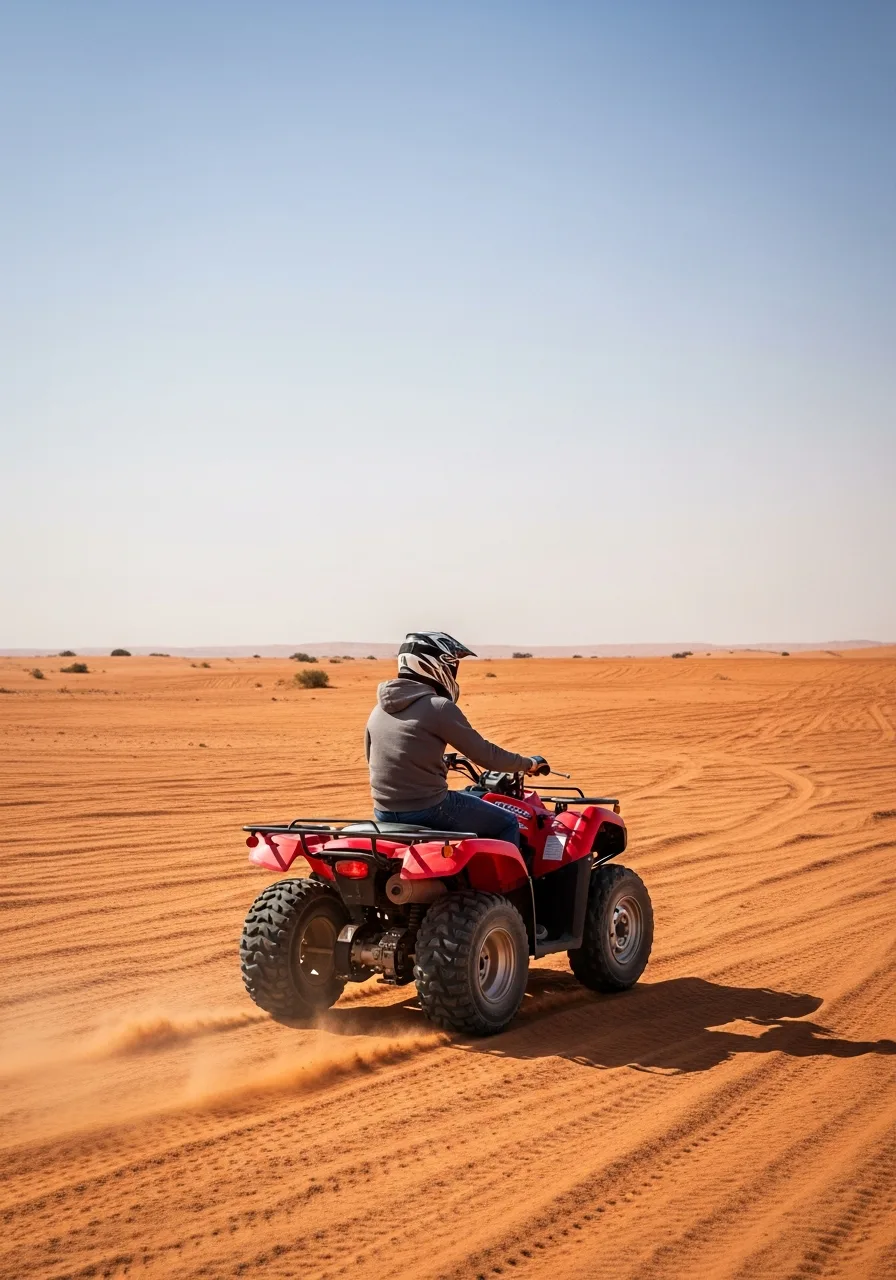
Comfort and Ergonomics
You may spend several hours in the buggy. Comfort matters. The seat should support your back and thighs without forcing you into a cramped position. Adjustable pedals or a tilting steering wheel help if the buggy is shared between drivers of different sizes.
Check the legroom. Tall drivers sometimes find that their knees hit the steering wheel or the dashboard. Short drivers may struggle to reach the pedals comfortably. A few minutes of adjustment at the start can save hours of discomfort.
Ventilation is another factor. Open buggies let the air flow, but in the summer heat that air is hot. Some buggies have a small windscreen that deflects the worst of the blast. Others are completely open. Think about the time of year and the time of day you plan to drive.
What to Look for in a Rental
When you are not buying, you are trusting someone else's maintenance. A clean buggy is a good sign. Look at the condition of the paint, the cleanliness of the engine bay, and the state of the wiring. A buggy that has been cared for will show it.
Ask about the service schedule. How often are the oil and filters changed? When were the shocks last rebuilt? A well-maintained buggy is less likely to break down. The Dune Buggy Rentals Dubai official site provides details on the vehicles they offer, so you can compare specs and see what is available before you arrive.
Read the rental agreement carefully. Some operators restrict where you can drive or charge extra for damage. Make sure you understand the terms. If you are not comfortable with the conditions, find another operator.
Check the insurance. Does it cover damage to the buggy? Does it cover injury to you or a passenger? Some policies exclude off-road driving. Confirm what is covered before you sign.
Test Drive and Familiarisation
Never take a buggy into the dunes without a short test drive on firm ground. Use that time to check the controls, the visibility, and the general feel. If the buggy pulls to one side when you brake, or if the steering wheel vibrates, flag it.
Ask for a briefing on the terrain. A good operator will tell you what to expect: the steepest dunes on the route, the areas where the sand is particularly soft, and the landmarks to watch for. They should also explain hand signals or radio procedures if you are part of a group.
If you are driving a buggy for the first time, take it easy. The sand behaves differently from tarmac. You need to feather the throttle rather than stomp it. Let the momentum carry you up the dune. If you lose speed, steer downhill and try again. Over time you will develop a feel for it.

For a reliable fleet and transparent booking, the Dune Buggy Rentals Dubai official site is a good starting point to compare models and read about the specifications that matter.
Final Checks Before You Go
Check the weather. Wind and rain change the sand conditions. Wet sand is hard and grippy, but it can also hide soft patches. Strong wind creates fresh dunes and changes the landscape. Plan your route accordingly.
Make sure you have plenty of water. Even a short ride in the desert dehydrates you. Carry more than you think you need. Sunscreen and a hat are not optional.
Tell someone where you are going and when you expect to be back. If you are renting through an operator, they will have a log of your trip. If you are driving independently, leave a note with a friend or family member.
Choosing the right dune buggy is about matching the machine to the terrain and your own ability. Take your time, ask questions, and do not settle for a buggy that feels wrong. The desert rewards preparation and punishes haste.
Dune Buggy Rentals Dubai on social media
 Facebook
 Instagram
 YouTube
 Pinterest